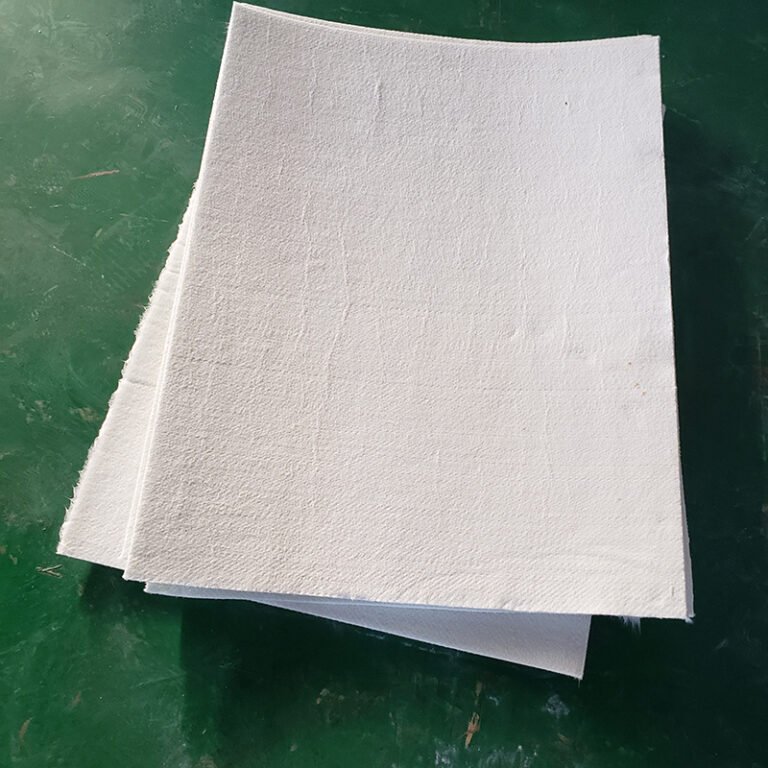
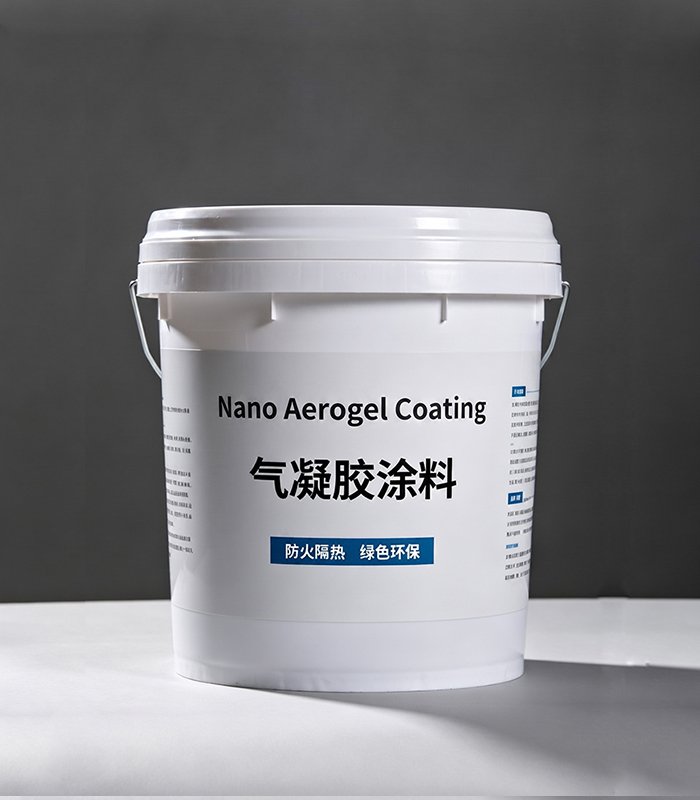
Silica is a fundamental material in our world, existing in diverse forms—from integrated circuits to glass curtain walls—with vastly different material values depending on its structure. What we present here is aerogel, a porous-structured silica.
Formed by silica colloidal particles stacked into a 3D network of voids, aerogel is the lightest known solid material, with the lowest solid-state thermal conductivity. It serves as both a super thermal insulator and an adsorbent material.
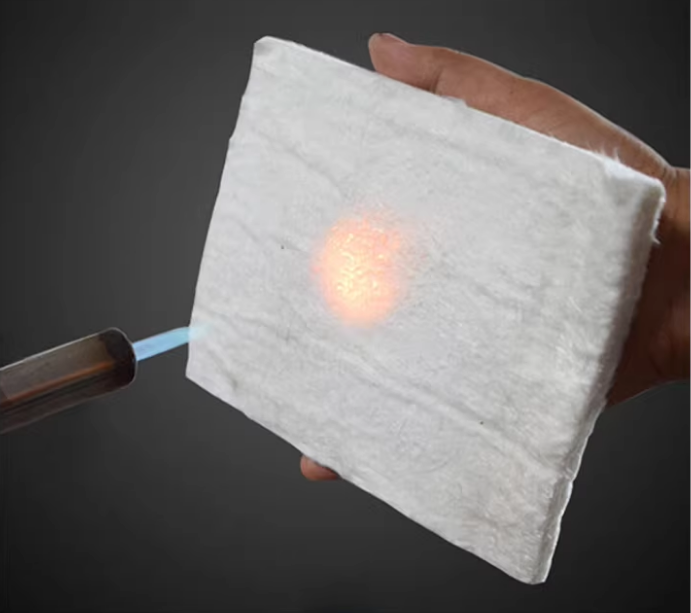
Silica aerogel boasts exceptional thermal insulation performance:
Its pore size is smaller than the mean free path of air molecules at atmospheric pressure, leaving air molecules nearly static within the pores and eliminating convective heat transfer.
Its ultra-low bulk density and the tortuous paths of its nano-network structure hinder both gaseous and solid-state heat conduction.
The near-infinite number of void walls minimizes thermal radiation.
Together, these three mechanisms block nearly all pathways of heat transfer, delivering thermal insulation performance unmatched by any other material.
As the lightest known solid material, aerogel exhibits unique properties in mechanics, acoustics, thermotics, optics, and more. It has broad and enormous application prospects in aerospace, military, transportation, communications, medical care, construction materials, electric power, metallurgy, and many other fields, earning it the reputation as the "miracle material that changes the world."